Modder Ports NVIDIA DLSS Features to AMD Radeon GPUs
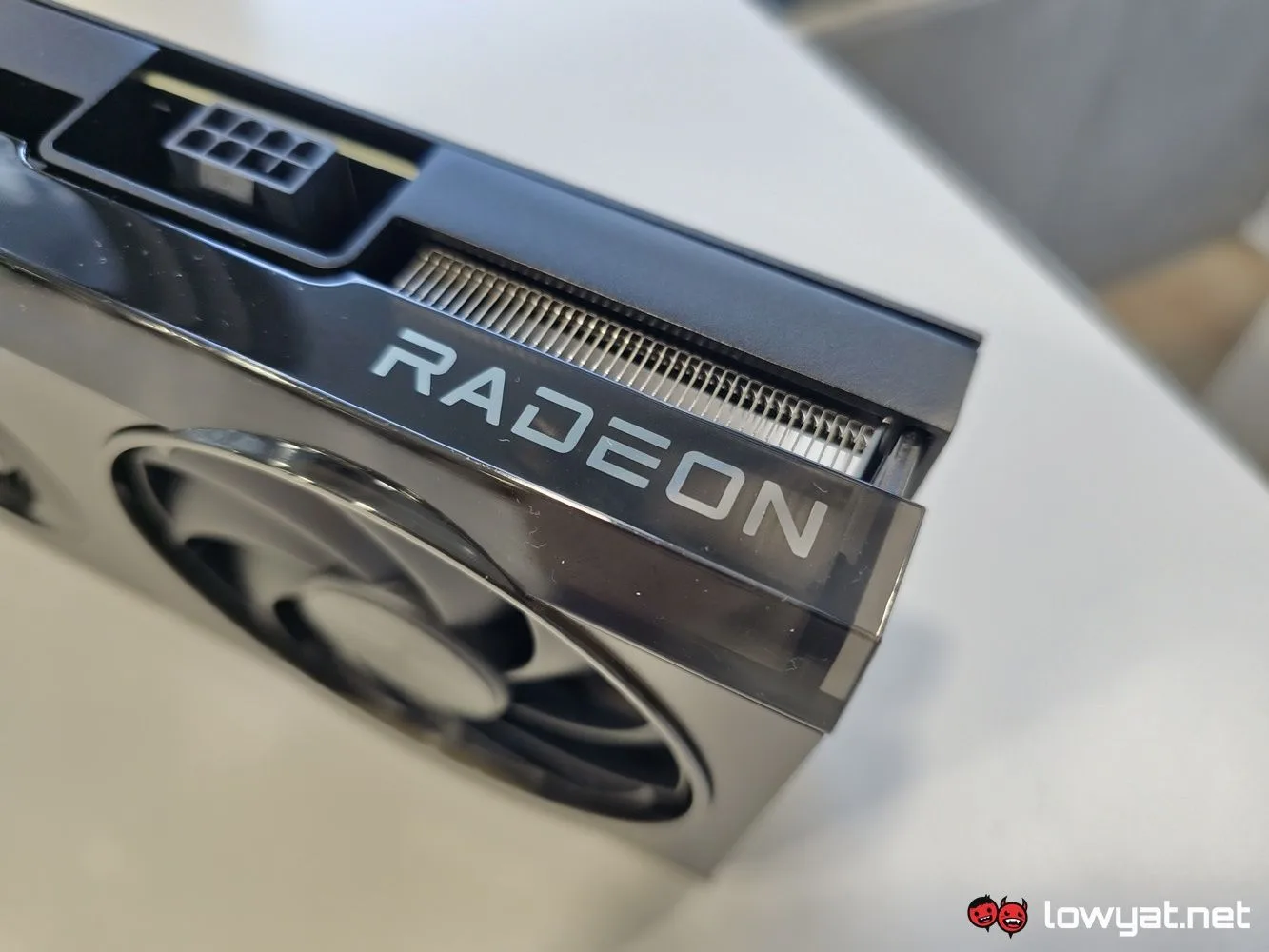
Independent developer Daniel Blanco has released version 0.8.0 of the unofficial DLLS-NR-on-AMD modification, bringing all four core NVIDIA Deep Learning Super Sampling technologies to AMD Radeon graphics cards. Announced in October 2026, the updated software introduces Ray Reconstruction and DLSS Multiframe Generation 4X support alongside standard upscaling for modern RDNA3 and RDNA4 graphics processing units. For Malaysian PC gamers and DIY system builders running all-AMD setups, this unofficial community project allows Radeon rigs to execute proprietary NVIDIA rendering pipelines in path-traced titles without requiring proprietary GeForce RTX hardware, although the implementation remains experimental and requires manual configuration.
Key Facts
| Attribute | Value |
|---|---|
| Mod Name & Version | DLLS-NR-on-AMD version 0.8.0 |
| Lead Developer | Daniel Blanco |
| Added Technologies | NVIDIA Ray Reconstruction, DLSS Multiframe Generation 4X |
| Supported Architectures | AMD RDNA3 (Radeon 7000 Series), AMD RDNA4 (Radeon 9000 Series) |
| Architectures in Development | AMD RDNA2 (Radeon 6000 Series) |
| Tested Hardware Rig | AMD Radeon RX 9070 XT GPU, AMD Ryzen 7 9700X CPU |
| Performance Benchmark | 90–100 FPS at 1080p on RX 9070 XT (full HT model) |
| Ray Reconstruction Frame Impact | Reduction of 4 to 10 FPS observed in Cyberpunk 2077 at 1440p path tracing |
| Status & Pricing | Unofficial open-source/community mod; free (requires own DLL files) |
How Does the DLLS-NR-on-AMD Mod Function on Radeon Hardware?
The DLLS-NR-on-AMD mod version 0.8.0 bridges NVIDIA DLSS features directly to AMD RDNA3 and RDNA4 graphics architectures using custom translation layers. The software enables proprietary Ray Reconstruction alongside DLSS Multiframe Generation 4X, allowing AMD users to execute path tracing effects previously restricted to GeForce RTX graphics cards. The unofficial software brings all four primary NVIDIA DLSS technologies over to AMD Radeon 7000 and 9000 Series GPUs.
Developer Daniel Blanco reported that visual output closely matches original hardware execution, achieving playable frame rates on modern Radeon cards while ongoing development targets parity with upper-tier competing GPUs.
Output quality is very similar to what DLSS produces on the original hardware, though there are still some effects that may not be working 100%. Performance is now playable: 90-100 FPS at 1080p on an RX 9070 XT, using the full HT model. I'm improving performance every day; the goal is to get it to run as fast as a 5070Ti.
Daniel Blanco, Modder and Developer
Independent testing conducted on an all-AMD system running an AMD Ryzen 7 9700X processor paired with a Radeon RX 9070 XT confirmed functional Ray Reconstruction in Cyberpunk 2077 at 1440p resolution with maximum visual presets and path tracing enabled. The test revealed an overhead penalty of 4 to 10 FPS with the feature enabled, though the visual reconstruction completed without operational crashes.
What Are the Risks and Compatibility Requirements for AMD Gamers?
Running the DLSS modification requires users to manually source proprietary NVIDIA DLSS dynamic link library (DLL) files and inject them into game directories. The tool remains an experimental community project that does not guarantee complete visual stability across all titles, and online anti-cheat systems may flag or block these modified runtime files. Because the porting over of NVIDIA technologies is entirely unofficial, the software remains perpetually experimental and carries anti-cheat detection risks.
While native functionality is limited to Radeon 7000 and 9000 series desktop GPUs, community development teams are actively working to backport support to older RDNA2-based Radeon 6000 series cards. Similar community software modifications over the past month have also targeted NVIDIA DLSS 5 upscalers across third-party architectures and web browser engines.
What It Means for Malaysian Buyers
For PC builders and gamers in Malaysia, this mod provides added utility for existing AMD Radeon RX 7000 and RX 9000 series graphics cards without requiring hardware upgrades to NVIDIA GeForce RTX alternatives. The software has no commercial distributor, retail pricing, or official hardware bundle in the Malaysian market, as it is an independent community development distributed via online repositories. Malaysian gamers running all-AMD systems can test ray-reconstructed path tracing without purchasing new hardware, provided they accept the experimental setup and anti-cheat constraints.
Local PC enthusiasts shopping at hardware retailers should note that official local warranties from distributors such as Viewnet, Sri Computers, or Compu-Zone apply strictly to the physical graphics hardware and do not cover software issues caused by third-party DLL injection. Competitive multiplayer gamers in Malaysia should avoid applying the mod to titles protected by kernel-level anti-cheat software.
Common Questions
Does the mod work on older AMD Radeon 6000 series cards?
Version 0.8.0 officially supports AMD RDNA3 and RDNA4 graphics cards, covering the Radeon 7000 and 9000 series. Active software development efforts are currently underway to bring compatibility to older RDNA2-based Radeon 6000 series GPUs in future updates.
Can running this mod result in an online account ban?
Yes. The installation requires manual replacement and injection of NVIDIA DLL files into game folders. Active anti-cheat systems frequently identify altered game runtime libraries as unauthorized third-party modifications, potentially triggering automated player bans in multiplayer titles.
What frame rate performance does the mod achieve in games?
Developer benchmarks show 90 to 100 FPS at 1080p resolution on a Radeon RX 9070 XT using the full HT model. In Cyberpunk 2077 at 1440p path tracing, enabling Ray Reconstruction reduced frame rates by 4 to 10 FPS.
Sources and Methodology
This report is based on technical source documentation published by Lowyat.NET on 20 October 2026, citing release notes and repository updates from developer Daniel Blanco, alongside user testing benchmarks published across Reddit, GitHub, X, and VideoCardz. All performance figures, model identifiers, and hardware specifications were cross-referenced directly from tested configurations. No currency conversions or speculative local retail dates were applied.
Related coverage
More Laptops & PCs →Filed under
- #Tech
- #PC Gaming
Network · latest from sister sites