ALS Starts Level 4 Driverless RoboVan Trial in Cyberjaya
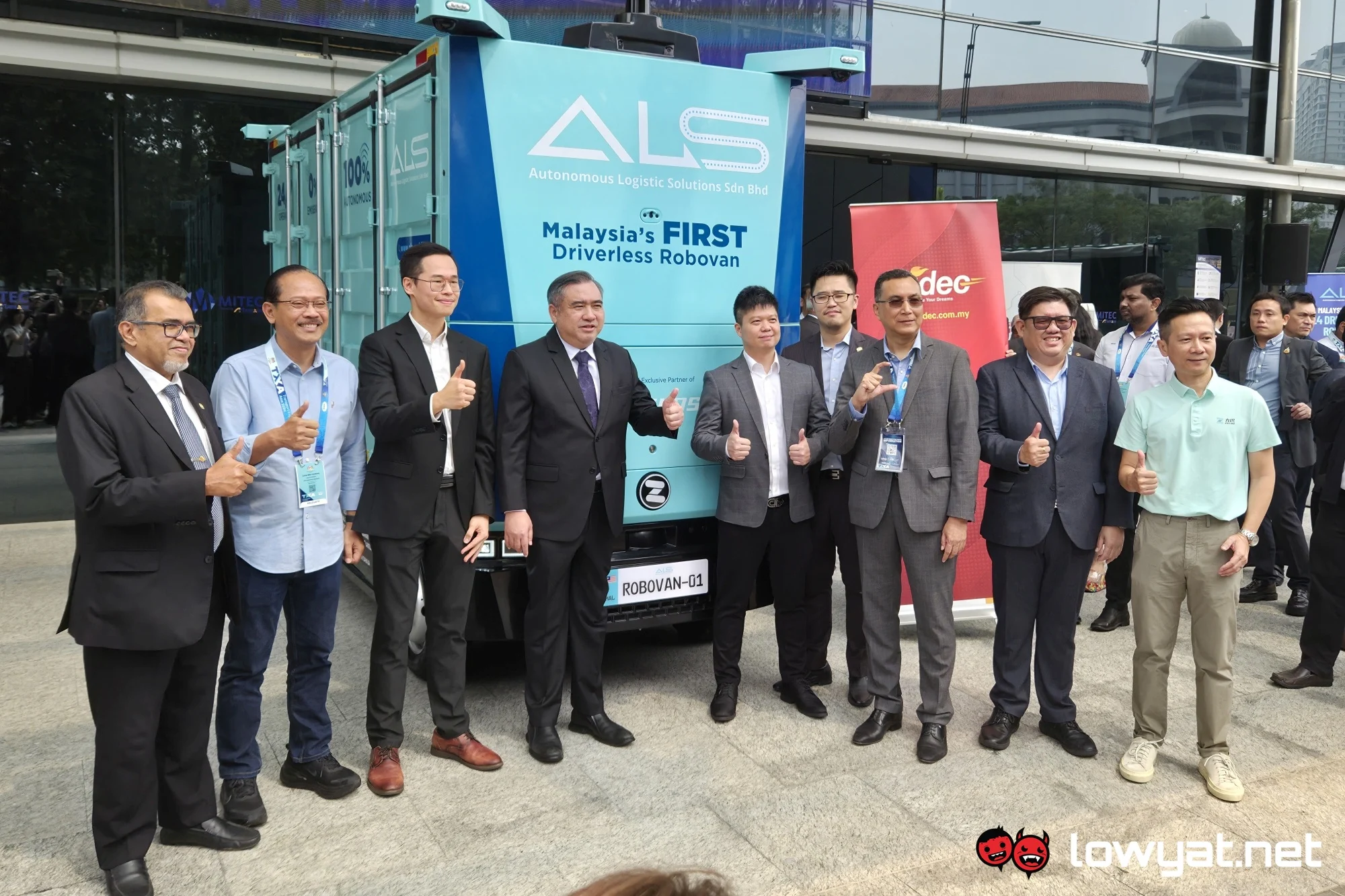
Malaysian logistics firm Autonomous Logistic Solutions (ALS) has launched its Level 4 autonomous RoboVan for public-road operations, marking the first time a local company has deployed a fully driverless vehicle with a valid Malaysian licence plate. Announced on 20 October 2026 at the Transport Expo Asia 2026 at the Malaysia International Trade and Exhibition Centre (MITEC), the deployment initiates a six-month public-road trial along the 22km Cyberjaya Malaysia Autonomous Vehicle (MyAV) testing route. For Malaysian industry, the move represents a critical test of commercial driverless cargo operations navigating mixed, real-world traffic conditions under domestic regulatory oversight.
Key Facts
| Attribute | Value |
| Vehicle Model | Z10 Freight |
| Autonomous Driving Capability | Level 4 autonomous |
| Operating Partner & Localisation | Autonomous Logistic Solutions (ALS) |
| Technology Provider | Zelsotech |
| Cargo Volume | 10 m³ |
| Payload Capacity | 1,500 kg |
| Top Speed | 55 km/h |
| Battery Capacity | 34.5 kWh |
| Fast Charging Time | 3 hours |
| Sensor Detection Range | Over 100 metres (Cameras, Radar, LiDAR) |
| Trial Route | 22km Cyberjaya Malaysia Autonomous Vehicle (MyAV) testing route |
| Trial Duration | 6 months |
| Trial Commenced | 20 October 2026 |
| Monitoring Facility | Remote Operations Centre, Cyberjaya |
Where Is the ALS RoboVan Trial Being Conducted?
The six-month public-road trial is taking place along the designated 22km Cyberjaya Malaysia Autonomous Vehicle (MyAV) testing route under mixed traffic conditions. Operations are overseen from the Remote Operations Centre for autonomous logistics in Cyberjaya, which was established in July 2026 through a collaboration between Sidec, ALS, and Cyberview.
During the testing phase, ALS tracks performance indicators including operating hours, total distance travelled, completed trips, system interventions, and driving reliability. The hardware and autonomous software are supplied by technology partner Zelsotech, while ALS manages the domestic operational rollout and route localisation.
The six-month trial on Cyberjaya's 22km MyAV route marks the first Malaysian deployment of a fully driverless Level 4 vehicle carrying a valid public-road licence plate.
What Are the Technical Specifications of the Z10 Freight?
The deployed model is the Z10 Freight, an electric cargo transporter designed strictly without passenger seating. Built with the profile of a compact shipping container on wheels, the vehicle carries an explicit "No passengers allowed" exterior notice and is engineered entirely for driverless commercial logistics.
The vehicle relies on a sensor suite combining cameras, radar, and LiDAR to identify obstacles over 100 metres away, maintaining navigation capabilities in rain, fog, and low-light environments. The Z10 Freight offers a cargo volume of 10 m³ and a payload capacity of 1,500 kg, running at a top speed of 55 km/h.
"the battery pack is rated at 34.5 kWh." Alan Chong, Managing Director of ALS
Recharging the 34.5 kWh battery takes three hours using fast charging.
Equipped with a 34.5 kWh battery pack and a 1,500 kg payload capacity, the Z10 Freight achieves a top operational speed of 55 km/h.
What It Means for Malaysian Buyers
The ALS RoboVan is not an individual consumer vehicle, but a business-to-business logistics platform undergoing road validation. Commercial operators in Malaysia cannot purchase the vehicle outright today, as deployment remains limited to the six-month Cyberjaya evaluation period. Pricing details and broader commercial fleet availability have not been disclosed.
Local logistics firms evaluating autonomous transport will need to observe the vehicle's intervention rates and operational stability across the 22km MyAV testing corridor before wide deployment is feasible. Commercial viability will depend heavily on the trial results gathered at the Cyberjaya Remote Operations Centre.
Commercial availability remains restricted to trials, meaning Malaysian logistics operators must await the completion of the six-month testing phase before fleet adoption can expand.
Common Questions
Can the ALS RoboVan carry passengers?
No. The vehicle is designed exclusively for cargo transport, featuring a dedicated 10 m³ freight hold and a physical exterior sign stating "No passengers allowed".
How does the vehicle navigate during poor weather?
The Z10 Freight uses an integrated perception array consisting of LiDAR, radar, and cameras that detects obstacles over 100 metres away in rain, fog, and low-light conditions.
Who operates and monitors the RoboVan during the trial?
ALS oversees local operations and monitors driving performance, interventions, and operating hours from the dedicated Remote Operations Centre in Cyberjaya, established with Sidec and Cyberview.
Sources and Methodology
Reporting based on official launch details and technical data published by Lowyat.NET on 20 October 2026 covering the Transport Expo Asia 2026 announcement at MITEC. All vehicle specifications reflect verified figures from ALS and Zelsotech documentation. No currency conversions were applied as pricing has not been disclosed.
Related coverage
More More tech →Filed under
- #Tech
- #Imports
Network · latest from sister sites